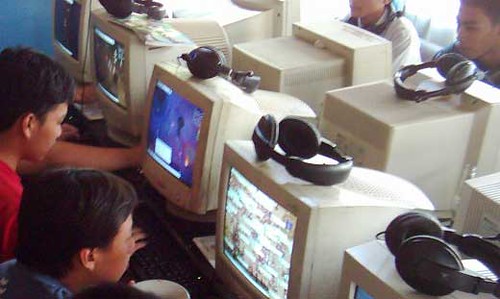
Free Education Indonesia is set to transform the educational landscape, offering opportunities for all citizens. The initiative aims to provide quality education without financial barriers.
Overview of Free Education Initiative
The Indonesian government has recently launched an ambitious initiative aimed at providing free education to students across the nation. This program is designed to enhance access to quality education for children from various socio-economic backgrounds, ensuring that every child has the opportunity to succeed academically and build a better future.
The initiative encompasses several key components:
- Primary and Secondary Education: The program eliminates tuition fees for all primary and secondary schools, allowing families to allocate their resources toward other essential needs.
- Higher Education Access: Scholarships and financial aid are offered to students pursuing higher education, making it easier for them to attend universities and vocational institutions without the burden of overwhelming debt.
- Quality Improvement: The government is investing in teacher training and infrastructure improvements to enhance the overall quality of education provided under this initiative.
By prioritizing free education, Indonesia aims to bridge the educational gap and empower the younger generation. This initiative is not only a step towards equality but also a long-term investment in the country’s economic development. With a well-educated populace, Indonesia can look forward to fostering innovation and competitiveness in the global market, ultimately benefiting the nation as a whole.
Impact on Indonesian Society
The implementation of free education in Indonesia has had a profound impact on society, significantly altering the landscape of opportunity for millions of children. By removing financial barriers to education, the initiative has facilitated access for students from various backgrounds, particularly those in low-income families.
As a result, enrollment rates have surged, leading to a more educated populace. This increase in education levels is not just a statistic; it translates into tangible benefits for the economy and social fabric of the nation. The workforce is becoming increasingly skilled, which enhances productivity and attracts foreign investment.
Moreover, the initiative has led to a cultural shift in how education is perceived in Indonesian society. Parents who previously viewed education as a luxury are now recognizing it as a fundamental right and necessity. This change fosters a generation that values learning and is eager to pursue higher education and vocational training.
However, the impact of free education extends beyond just academic achievement. It also promotes social equity, empowering marginalized communities and reducing disparities. As more individuals gain access to education, the potential for social mobility increases, ultimately leading to a more inclusive society.
- Increased Enrollment: More students are attending school due to financial support.
- Economic Growth: A better-educated workforce boosts the economy.
- Social Equity: Free education promotes inclusivity and reduces inequality.
Ultimately, free education in Indonesia represents a proven path to opportunity for future generations.
Challenges Facing Implementation
The implementation of free education in Indonesia has faced several significant challenges that hinder its effectiveness and accessibility. While the initiative aims to provide equal educational opportunities for all, various obstacles continue to impede progress.
- Funding Shortages: One of the primary issues is inadequate government funding. Many schools lack the necessary resources to maintain quality education, leading to overcrowded classrooms and insufficient teaching materials.
- Infrastructure Deficiencies: In rural areas, educational facilities often suffer from poor infrastructure. Schools may lack basic amenities such as clean water, electricity, and proper sanitation, which can deter students from attending.
- Teacher Shortages: There is a notable shortage of qualified teachers in many regions. This lack of trained educators can result in lower educational standards, affecting students’ learning experiences.
- Socioeconomic Barriers: Families from low-income backgrounds may still face indirect costs associated with schooling, such as transportation and supplies, which can hinder enrollment rates.
- Cultural Attitudes: In some communities, there may be cultural biases against education, particularly for girls, which can limit participation in the free education initiative.
Addressing these challenges is crucial for the success of free education in Indonesia, as it strives to create a more equitable and educated society.
Future of Education in Indonesia
The future of education in Indonesia looks promising as the government continues to invest in initiatives aimed at enhancing access to education for all citizens. With the implementation of the Free Education Indonesia program, there is a growing belief that quality education can be a reality for every child, regardless of their socioeconomic status.
One of the key aspects of this initiative is the expansion of educational infrastructure across the nation. Schools are being built in remote areas, ensuring that no child is left behind. Additionally, the government is focusing on improving teacher training and educational resources, which are critical for delivering quality education.
Moreover, the integration of technology in classrooms is on the rise. Schools are increasingly equipped with digital tools that enhance learning experiences and prepare students for a technology-driven world. This shift not only makes learning more engaging but also helps bridge the gap between urban and rural education.
However, maintaining the momentum of these advancements requires ongoing commitment from both the government and the community. Stakeholders must work collaboratively to address any remaining issues, such as funding and resource allocation.
As Indonesia continues to embrace the ideals of free education, the potential for a more equitable society grows stronger. The nation stands on the brink of a transformative educational landscape that promises to unlock opportunities for future generations.
Coachella 2027 Headliners Announced
In a surprising twist of events, the music festival scene has captured headlines beyond the realms of education. The announcement of the Coachella 2027 headliners has generated significant buzz, overshadowing other important news, including Indonesia’s ongoing commitment to free education. This initiative aims to provide equal opportunities for all students, ensuring access to quality education regardless of socio-economic backgrounds.
As music lovers eagerly anticipate performances from their favorite artists, the juxtaposition of cultural events and educational reforms highlights the diverse interests of the Indonesian public. The headliners announced for the festival include several global icons, promising a lineup that will attract thousands of attendees from around the world. The excitement surrounding Coachella serves as a reminder of the role that arts and culture play in society.
However, it is crucial not to overlook the significance of Indonesia’s efforts to improve its education system through free education. This initiative is vital for fostering a well-informed citizenry capable of participating in both the cultural and economic spheres. As the festival draws attention, stakeholders in the education sector continue to advocate for greater recognition of the importance of free education in shaping the future of Indonesia.
In conclusion, while Coachella 2027 promises to be a spectacular event, the ongoing conversation surrounding free education in Indonesia remains an essential topic that deserves equal attention and support.
Free Education Indonesia has opened doors for countless students, providing them with the tools they need to succeed. As more individuals take advantage of Free Education Indonesia, the nation’s workforce is becoming increasingly skilled and competitive.
By kinjengnet via Openverse
[…] Free Education Indonesia: A Proven Path to Opportunity […]