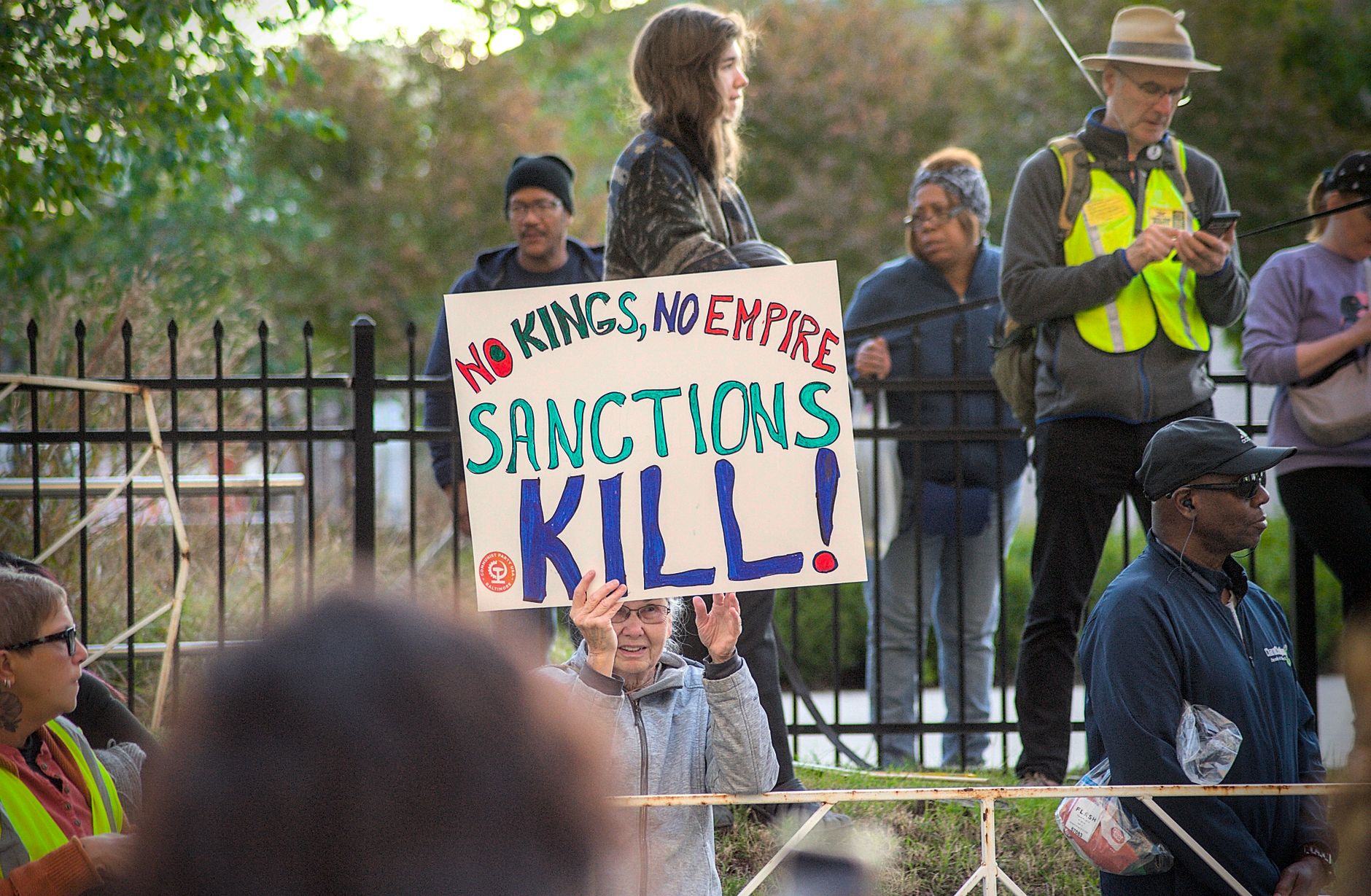
Trump Russian sanctions are at the forefront as he defends his controversial stance while criticizing Zelenskyy. The political implications are significant and merit closer examination.
Overview of Trump’s Position
In recent statements, former President Donald Trump has articulated a controversial stance regarding Russian sanctions, particularly in relation to Ukraine’s President Volodymyr Zelenskyy. Trump has defended the idea of easing sanctions on Russia, arguing that the current approach may hinder diplomatic efforts and exacerbate tensions in the region. He claims that a more flexible strategy could lead to better outcomes for both nations.
Trump’s comments have sparked significant backlash, especially from those who believe that maintaining strict sanctions is essential to countering Russian aggression. Critics argue that his position undermines the support provided to Ukraine and could embolden Russia further. In Trump’s view, he is advocating for a pragmatic approach aimed at fostering peace, while his opponents see it as a dangerous appeasement of a hostile regime.
As the debate intensifies, it remains clear that Trump’s perspective on Russian sanctions is polarizing, reflecting broader divisions within American politics regarding foreign policy and national security. The implications of his stance are likely to resonate in future discussions on U.S.-Russia relations.
Analysis of Russian Sanctions
In recent remarks, former President Trump defended his stance on Russian sanctions, arguing that the current approach undermines the efforts of Ukrainian President Volodymyr Zelenskyy. Trump’s comments raise questions about the efficacy and timing of sanctions against Russia, particularly in relation to the ongoing conflict in Ukraine.
Critics of Trump’s position argue that easing sanctions could embolden Russia, potentially exacerbating the situation in Ukraine. They emphasize the importance of maintaining a strong stance against Russian aggression to support Zelenskyy’s government and the broader Western alliance.
Moreover, analysts suggest that Trump’s interpretation of sanctions relief may misrepresent the complexities of international diplomacy. Key points of contention include:
- The impact on Ukraine: How sanctions affect Ukraine’s ability to defend itself against Russian advances.
- International relations: The potential fallout with allies if sanctions are lifted.
- Long-term strategy: The effectiveness of sanctions as a deterrent versus their role in diplomatic negotiations.
As the debate continues, the implications of Trump’s remarks on Russian sanctions remain a focal point for policymakers and analysts worldwide.
Zelenskyy’s Response
In response to recent criticisms regarding his stance on Trump Russian sanctions, Ukrainian President Volodymyr Zelenskyy emphasized the importance of unwavering support from international allies. Zelenskyy argued that the sanctions are crucial to maintaining pressure on Russia and ensuring Ukraine’s sovereignty. He pointed out that any relaxation of these measures could embolden Russian aggression.
During a recent press conference, Zelenskyy stated, “We need consistent and strong support to counteract the ongoing threats from Russia.” He expressed concern that Trump’s defense of sanctions relief undermines the sacrifices made by his country in the fight for freedom.
Additionally, Zelenskyy highlighted the potential risks associated with lifting sanctions, which could lead to further destabilization in the region. He urged global leaders to remain vigilant and united against any attempts to weaken the existing frameworks that protect Ukraine.
In light of these developments, analysts are closely monitoring the implications of Trump’s comments on international diplomatic relations and the future of Ukraine’s defense strategy.
Impact on US-Ukraine Relations
The recent remarks by Donald Trump regarding Russian sanctions have sparked significant concern about their potential impact on US-Ukraine relations. As Trump defends his position, it raises questions about the unity and trust necessary for effective collaboration between the two nations.
Some key points to consider include:
- Historical Support: The United States has traditionally been a staunch ally of Ukraine, especially in the face of Russian aggression. Trump’s stance on Russian sanctions could undermine this longstanding support.
- Perception of Commitment: Ukrainian officials may perceive Trump’s defense of Russian sanctions relief as a lack of commitment to Ukraine’s sovereignty and territorial integrity.
- Political Ramifications: Trump’s comments may lead to a shift in public opinion within the US, potentially affecting future aid and support for Ukraine.
As the situation evolves, the implications of Trump’s position on Russian sanctions could redefine the dynamics of US-Ukraine relations, making it crucial for both parties to navigate this discourse carefully.
Public Opinion on Sanctions
Public opinion regarding Trump’s Russian sanctions relief has been sharply divided, reflecting the broader political climate as the conflict in Ukraine continues. Many Americans express concern over the potential implications of easing sanctions, particularly in light of Ukraine’s ongoing struggle against Russian aggression.
Polls indicate that:
- 58% of respondents believe maintaining strict sanctions is crucial for supporting Ukraine.
- 35% think that easing sanctions could lead to a more favorable negotiation environment.
- 7% remain undecided on the issue.
Critics argue that Trump’s defense of Russian sanctions relief undermines global solidarity with Ukraine, while supporters claim it is a pragmatic approach to fostering dialogue. Some analysts suggest that Trump’s statements may resonate with a segment of the electorate that prioritizes economic considerations over foreign policy, highlighting a potential rift within the Republican Party.
As public sentiment continues to evolve, the debate around Trump’s stance on Russian sanctions remains a pivotal issue in shaping future U.S. foreign policy, particularly in relation to Ukraine.
Historical Context of Sanctions
The historical context of sanctions plays a critical role in understanding the ongoing debate surrounding Trump’s defense of Russian sanctions relief. Sanctions have been employed as a strategic tool by the United States since the Cold War, aimed at curbing aggressive actions by foreign governments. Over the years, various administrations have implemented sanctions against Russia in response to its actions in Ukraine and other regions.
Following Russia’s annexation of Crimea in 2014, the Obama administration, and later the Trump administration, imposed a series of economic sanctions targeting key sectors of the Russian economy. These sanctions were intended to deter further aggression and support Ukraine’s sovereignty.
However, Trump’s recent remarks suggesting the easing of these sanctions have sparked considerable controversy. Critics argue that such a move could undermine the efforts made to support Ukraine, particularly in light of Vladimir Putin’s ongoing military actions. The debate raises questions about the effectiveness of sanctions, especially in the context of Trump’s Russian sanctions policy, and their impact on global security and diplomatic relations.
Reactions from Political Analysts
Political analysts have expressed mixed reactions to Trump’s recent defense of Russian sanctions relief and his criticism of Ukrainian President Volodymyr Zelenskyy. Some believe that Trump’s stance may undermine the unity in the West regarding support for Ukraine amidst ongoing aggression from Russia.
- Dr. Emily Hartman, a political science professor, stated, “Trump’s comments on Russian sanctions could embolden adversaries and weaken the resolve of NATO allies.”
- Professor Mark Liu added, “By lashing out at Zelenskyy, Trump risks alienating a key ally in the fight against Russian aggression. His approach reflects a troubling shift in priorities.”
- Analyst Rebecca Solis pointed out, “Public opinion has shown strong support for Ukraine, and Trump’s defense of Russian sanctions may not resonate well with voters.”
Overall, the reactions underscore a growing concern about the implications of Trump’s rhetoric on US-Ukraine relations, particularly as discussions surrounding Trump’s Russian sanctions continue to unfold.
Future Implications for US Policy
The ongoing debate regarding Trump’s Russian sanctions relief has significant implications for future U.S. policy, particularly in relation to Ukraine and its allies. As the geopolitical landscape continues to evolve, the response to Trump’s stance will shape how the U.S. navigates its relationships with both adversaries and partners.
One key consideration is the potential shift in bipartisan consensus on sanctions. As public opinion fluctuates, policymakers may feel pressured to reassess their strategies. This could lead to:
- Increased scrutiny of foreign policy decisions, especially those involving sanctions against Russia.
- Heightened tensions between the U.S. and Ukraine if support is perceived as wavering.
- Calls for more robust measures to ensure that U.S. interests are protected amidst evolving threats.
Ultimately, how the Biden administration responds to Trump’s defense of sanctions relief may dictate the effectiveness of U.S. foreign policy in addressing Russian aggression and supporting Ukraine, ensuring that the lessons learned are not overlooked in future strategies.
The debate surrounding Trump Russian sanctions has intensified as critics argue that they undermine Ukraine’s sovereignty. Many believe that a stronger stance on Trump Russian sanctions could better support Zelenskyy’s efforts against Russian aggression.
Photo by Germar Derron on Pexels
[…] Trump Russian sanctions: The Wrong Defense of Zelenskyy · Is Distracted Trump the Worst for GOP Midterms Strategy? · Dussehra celebrations Delhi: The Best Time for Festive Joy […]