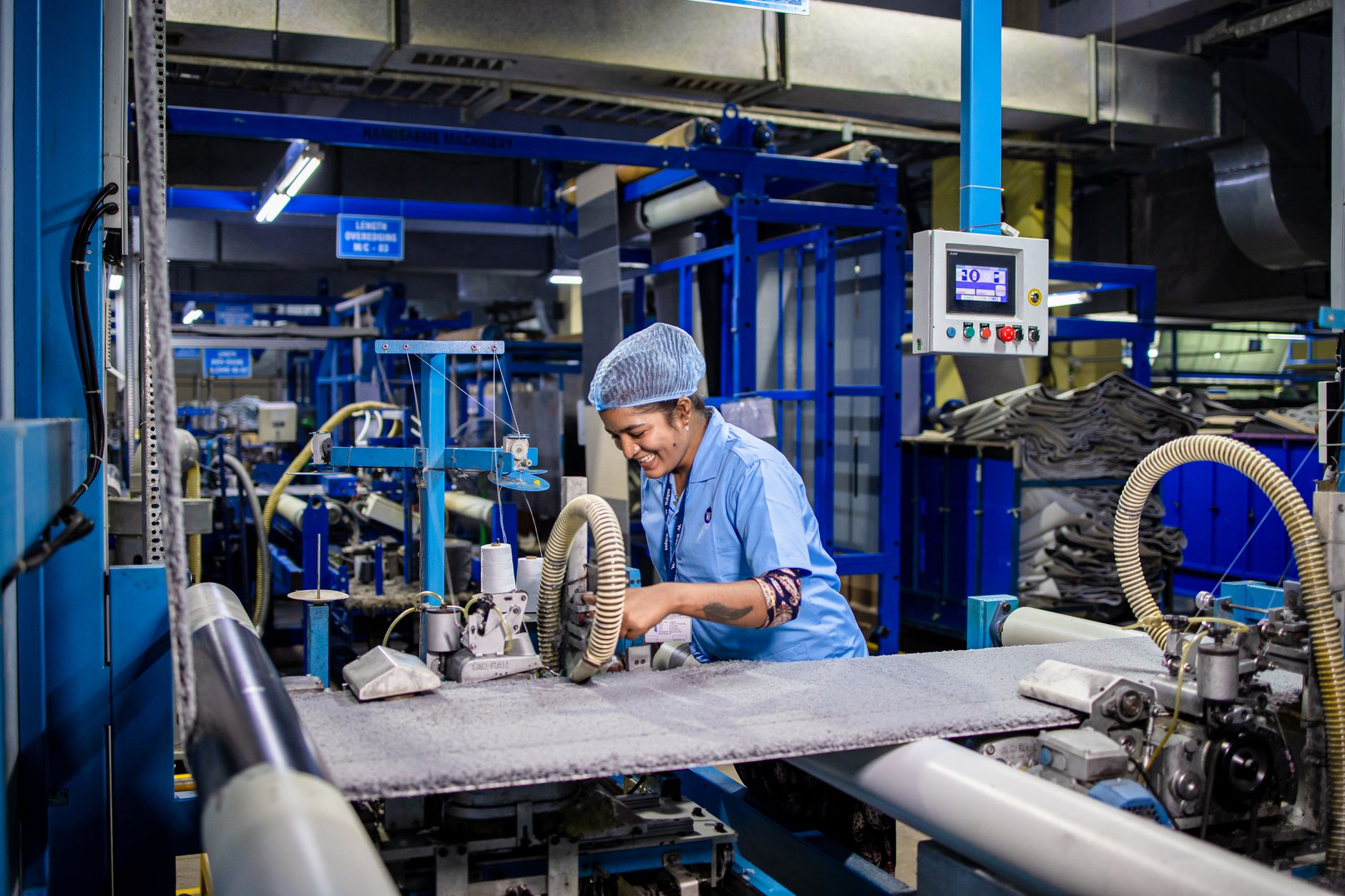
ASML India operations signify a major step forward for the company in its global expansion strategy. This move is closely tied to the success of Tata Electronics and the ambitions of the Indian government.
Overview of ASML’s Expansion
ASML, a global leader in semiconductor manufacturing equipment, has initiated its India operations, marking a significant milestone in its expansion strategy. The company aims to align its growth with the success of Tata Electronics and the Indian government’s ambitious plans to boost the electronics sector. By establishing a presence in India, ASML is set to tap into the growing demand for advanced semiconductor technology.
This move is expected to create numerous job opportunities and foster innovation within the local ecosystem. ASML’s India operations will focus on enhancing manufacturing capabilities and supporting local suppliers, ultimately contributing to the country’s vision of becoming a global hub for electronics production.
With its proven strategies, ASML is poised to play a crucial role in India’s semiconductor landscape, driving both its own growth and that of the broader industry.
Impact on Tata Electronics
The commencement of ASML India operations has significant implications for Tata Electronics. As ASML scales its activities in India, it aims to leverage the manufacturing capabilities of Tata Electronics to enhance its supply chain. This partnership is expected to foster innovation and efficiency, benefiting both companies.
Moreover, the collaboration aligns with the Indian government’s ambition to position the country as a global hub for semiconductor manufacturing. Key impacts on Tata Electronics include:
- Increased production capacity to meet rising demand for advanced semiconductor technologies.
- Access to cutting-edge technology from ASML, improving product offerings and competitiveness.
- Job creation within the local workforce, contributing to economic growth.
This synergy between ASML and Tata Electronics exemplifies a strategic approach to driving growth in the semiconductor sector.
Government’s Role in Tech Growth
The government plays a crucial role in fostering technological growth, particularly in the context of ASML India operations. Through various initiatives, the Indian government has aimed to create a conducive environment for foreign investments in the tech sector.
Key aspects of this supportive framework include:
- Policy Incentives: The government offers tax benefits and subsidies to attract multinational companies.
- Infrastructure Development: Enhancements in infrastructure facilitate smoother business operations and connectivity.
- Skill Development Programs: Initiatives aimed at upskilling the workforce ensure that local talent meets industry demands.
By aligning with ASML’s vision, the government is not only promoting its ambitions but also ensuring that India’s position in the global tech landscape continues to strengthen.
Future Prospects for ASML in India
The future prospects for ASML India operations appear promising as the company aims to strengthen its foothold in the rapidly evolving semiconductor industry. With the ongoing collaboration with Tata Electronics, ASML is poised to leverage local expertise and resources to enhance its manufacturing capabilities.
Experts believe that the combination of advanced technology and India’s skilled workforce will drive innovation and efficiency. ASML’s commitment to investing in research and development will further bolster its position in the market.
Additionally, the Indian government’s initiatives to boost the tech sector create an encouraging environment for foreign investments. This synergy between ASML, Tata Electronics, and the government is expected to unlock significant growth opportunities, setting a strong foundation for the company’s long-term strategy in India.
Overall, ASML’s strategic approach aligns well with the nation’s ambitions in the semiconductor landscape.
Challenges Ahead for ASML
ASML faces several challenges as it establishes its India operations. Despite the promising growth potential, there are significant hurdles to overcome.
- Supply Chain Disruptions: Fluctuations in global supply chains can impact production timelines and costs.
- Skilled Workforce: Finding and retaining talent in advanced technology sectors remains a critical issue, as competition for skilled workers intensifies.
- Regulatory Environment: Navigating India’s complex regulatory landscape poses additional challenges that could affect operational efficiency.
- Market Competition: ASML will need to differentiate itself in an increasingly competitive market that includes both local and international players.
Addressing these challenges effectively will be crucial for the success of ASML’s India operations and its long-term growth strategy in the region.
Local Industry Response to ASML
The launch of ASML India operations has sparked significant interest among local industries, highlighting the collaborative potential between global tech giants and Indian enterprises. Many industry leaders have expressed optimism about the opportunities that ASML’s presence brings.
- Enhanced Collaboration: Local companies are eager to partner with ASML, aiming to leverage its cutting-edge technology for better manufacturing processes.
- Job Creation: The expansion is expected to generate thousands of jobs, bolstering the local economy and nurturing a skilled workforce.
- Innovation Hub: ASML’s facilities in India are set to become a center for innovation, attracting talent and fostering research and development.
Overall, the local industry response to ASML India operations indicates a strong belief in mutual growth, aligning with India’s ambitions in the tech sector.
Investment Opportunities in India
As ASML India operations gain momentum, the nation presents numerous investment opportunities that are attracting both local and international players. The burgeoning semiconductor market is a key area where ASML can leverage its expertise.
Potential investment avenues include:
- Research and Development: Collaborations with local universities and tech hubs can drive innovation.
- Manufacturing Facilities: Setting up production plants can enhance supply chain efficiency and reduce costs.
- Workforce Development: Investing in training programs for skilled labor will ensure a competitive edge in the industry.
- Partnerships with Startups: Engaging with Indian startups can foster new technologies and business models.
By exploring these avenues, ASML India operations are poised to contribute significantly to the country’s tech ecosystem while fueling its own growth strategy.
Global Implications of ASML’s Move
The commencement of ASML India operations is set to have significant global implications, particularly in the semiconductor industry. As a leader in lithography systems, ASML’s expansion into India not only strengthens its supply chain but also enhances the country’s position in the global tech landscape.
By collaborating closely with Tata Electronics, ASML aims to leverage local expertise and resources, which could lead to innovations that benefit the industry worldwide. This strategic move aligns with the Indian government’s ambition to become a global manufacturing hub.
Furthermore, ASML’s presence in India could inspire other tech giants to invest in the region, fostering a robust ecosystem that promotes growth and development. As ASML India operations gain momentum, the effects are likely to resonate across borders, impacting global markets and technological advancements.
Photo by EqualStock IN on Pexels
[…] ASML India operations: Best Proven Strategy for Growth […]