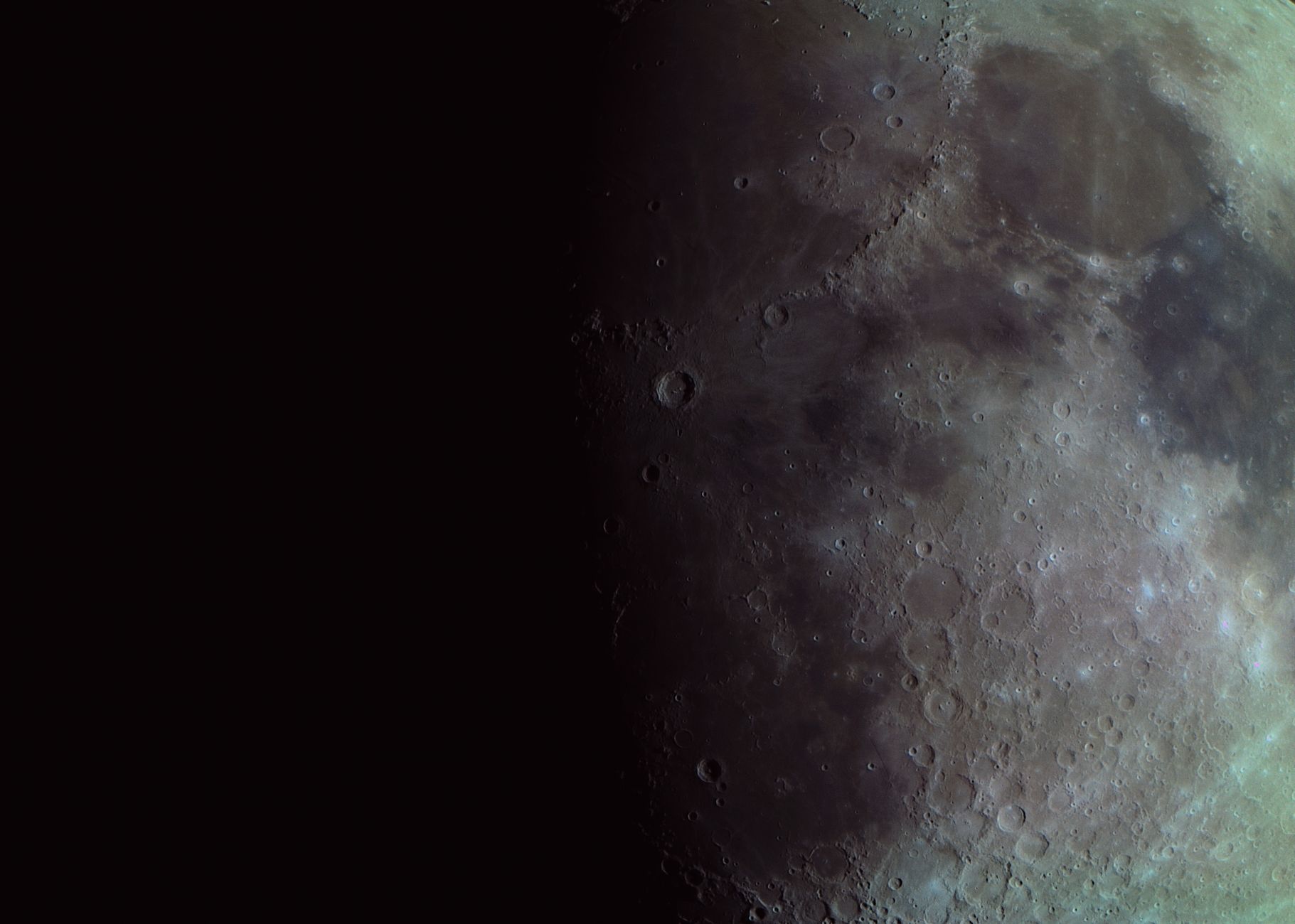
Lunar Crater Discovery offers exciting insights into the Moon’s shallow subsurface. Researchers are uncovering new details that could change our understanding of lunar geology.
What is the New Lunar Crater?
A recent exploration has led to the discovery of a new lunar crater, sparking significant interest among scientists and space enthusiasts alike. This lunar crater discovery is pivotal, as it provides invaluable insights into the Moon’s geological history and its shallow subsurface.
Located in a previously unexplored region, the crater showcases unique features that have never been documented before. Researchers believe that studying this crater will reveal critical information about:
- The Moon’s formation: Understanding how this crater formed can help scientists piece together the history of lunar impacts.
- Subsurface materials: The composition of the materials found within and around the crater could shed light on the Moon’s volcanic activity.
- Water presence: Investigating the presence of ice or water in the crater may provide clues about the Moon’s ability to support future exploration.
- Impact processes: The crater offers a rare opportunity to study the effects of impact events on the lunar surface.
As more data is collected and analyzed, this lunar crater discovery is expected to enhance our understanding of the Moon, contributing to broader discussions about space exploration and the potential for human habitation beyond Earth.
Key Findings from the Discovery
The recent discovery of a new lunar crater has provided scientists with critical insights into the Moon’s geological history and its shallow subsurface. Here are some of the key findings from this groundbreaking research:
- Composition Analysis: The analysis of the lunar soil within the crater indicates a rich diversity of minerals, suggesting a complex geological evolution.
- Impact History: The crater’s structure reveals information about the history of impacts on the Moon’s surface, helping researchers to better understand the timing and frequency of such events.
- Subsurface Layers: Data collected from the crater point towards distinct layers beneath the surface, which may hold vital clues regarding the Moon’s formation and the processes that shaped it over billions of years.
- Water Ice Presence: Preliminary studies suggest that the crater may contain pockets of water ice, which could be crucial for future lunar exploration and even habitation.
- Volcanic Activity: Evidence of past volcanic activity has been uncovered, indicating that the Moon was once more geologically active than previously thought.
These findings from the lunar crater discovery not only deepen our understanding of the Moon but also pave the way for future exploration missions aimed at uncovering more secrets of our celestial neighbor.
Implications for Future Moon Missions
The recent Lunar Crater Discovery provides significant insights that could shape future lunar exploration missions. Understanding the geological composition of the Moon’s surface and subsurface is crucial for planning sustainable human presence and resource utilization.
One of the key implications of this discovery is the potential for finding water ice in the shallow subsurface, which can be pivotal for supporting human life and creating fuel for return missions to Earth. Scientists believe that the newly identified crater may harbor valuable resources that were previously unknown, which could reduce the costs associated with lunar exploration.
Additionally, this discovery could enhance our understanding of lunar geology. The insights gained from analyzing the new crater may allow researchers to identify other areas on the Moon that warrant further exploration. These areas could provide clues about the Moon’s history and the processes that shaped its surface.
Furthermore, the data collected from this crater can inform the design of future lunar missions. As space agencies prepare for long-term habitation on the Moon, understanding the environment and potential hazards is essential for ensuring the safety of astronauts.
In summary, the Lunar Crater Discovery not only opens new avenues for scientific research but also lays the groundwork for future missions aiming to establish a permanent human presence on the Moon.
Understanding the Moon’s Subsurface
The recent Lunar Crater Discovery has opened new avenues for understanding the Moon’s subsurface, providing researchers with valuable insights into its geological history. Scientists have long speculated about the composition and structure beneath the Moon’s surface, and this crater offers a unique opportunity to explore these depths.
One of the most significant aspects of this discovery is the potential to reveal the layering of the Moon’s crust. By analyzing the materials ejected during the impact that formed the crater, researchers can infer details about the stratigraphy below. This information is crucial for understanding the Moon’s formation and evolution over billions of years.
In addition to geological insights, the crater may also shed light on the presence of volatile compounds, which are essential for future lunar exploration. The identification of water ice or other resources within the subsurface could significantly influence plans for sustainable human presence on the Moon.
As scientists continue to study the crater, they are focusing on several key areas:
- The composition of the ejecta material
- Potential signs of ancient volcanic activity
- Evidence of impacts from meteorites over time
These findings from the Lunar Crater Discovery not only enhance our understanding of the Moon but also inform future missions aimed at exploring its mysteries further.
Photo by Antonio Moura on Pexels
[…] Lunar Crater Discovery: What Are the Best Insights? […]