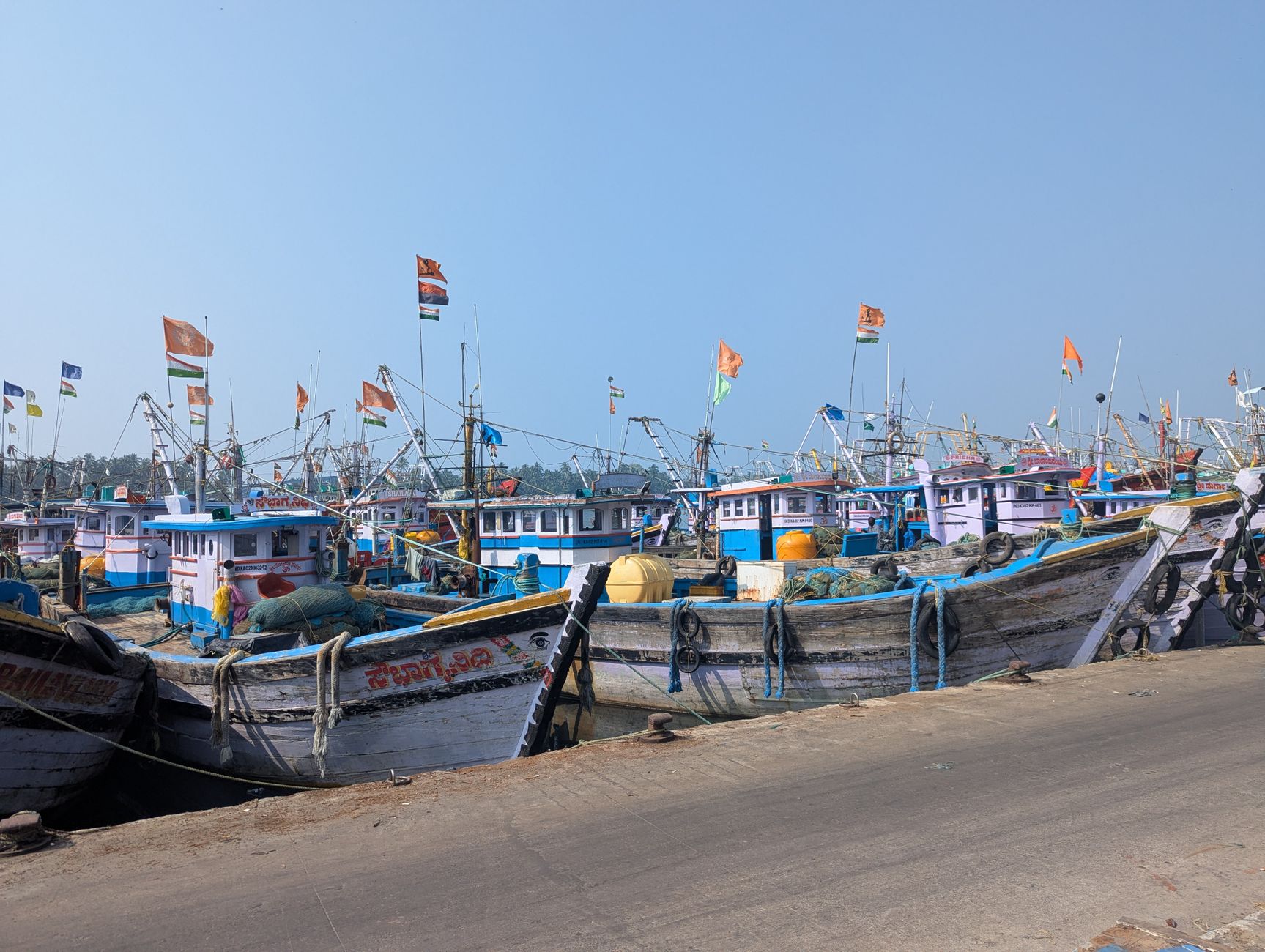
The EV retrofitted fishing vessel launches today, marking a significant step towards sustainable fishing practices. This innovative vessel aims to reduce carbon emissions and enhance efficiency in the fishing sector.
What is an EV Retrofitted Fishing Vessel?
The concept of an EV retrofitted fishing vessel involves transforming traditional fishing boats into electric-powered vessels, significantly reducing their carbon footprint. This innovative approach merges established maritime practices with modern technology, allowing fishing operations to maintain efficiency while promoting sustainability.
EV retrofitting typically includes the installation of electric motors and batteries, replacing diesel engines that contribute to greenhouse gas emissions. The transition not only minimizes pollution but also enhances fuel efficiency and lowers operational costs over time.
As the global demand for sustainable practices increases, fishing industries are exploring various alternatives to conventional fishing methods. The EV retrofitted fishing vessel is seen as a promising solution to address environmental concerns associated with overfishing and ocean degradation.
By adopting electric propulsion, these vessels can navigate quieter waters, reducing their impact on marine life. As the first of its kind launches today, it sets a precedent for future innovations in fishing technology and sustainability.
Benefits of Retrofitting Fishing Vessels
Retrofitting fishing vessels with electric vehicle (EV) technology offers a multitude of benefits that significantly contribute to sustainability in the maritime industry. First and foremost, these vessels produce zero emissions, effectively reducing the carbon footprint associated with traditional fuel-powered fishing operations.
Additionally, the transition to an EV retrofitted fishing vessel can lead to lower operational costs. Electric engines typically require less maintenance than their diesel counterparts, which translates to reduced downtime and fewer repair expenses for operators.
Furthermore, using electric propulsion can enhance fuel efficiency, allowing fishermen to maximize their catch while minimizing energy consumption. This not only promotes economic sustainability but also aligns with environmental goals.
Moreover, the quiet operation of EV vessels ensures less noise pollution, which is crucial for protecting marine life and maintaining healthy ecosystems. In summary, the benefits of converting fishing vessels to electric propulsion are numerous and pave the way for a more sustainable future in the fishing industry.
How Does This Technology Work?
The EV retrofitted fishing vessel operates by integrating electric propulsion systems into traditional fishing boats. This transformative technology replaces conventional diesel engines with electric motors powered by high-capacity batteries, significantly reducing carbon emissions and fuel costs.
To achieve this, the retrofitting process involves several key steps:
- Assessment: Each vessel is evaluated for its suitability for retrofitting, considering factors like size, weight, and structural integrity.
- Engine Replacement: The existing engine is removed, and an electric motor is installed, often accompanied by a reduction gear to optimize performance.
- Battery Installation: High-performance batteries, capable of long-range operation, are fitted into the vessel, ensuring adequate power supply for both propulsion and onboard systems.
- Charging Infrastructure: Access to charging stations is established, allowing vessels to recharge efficiently during dock time.
This innovative technology not only enhances sustainability in the fishing industry but also sets a precedent for future maritime advancements.
Impact on the Fishing Industry
The introduction of the EV retrofitted fishing vessel marks a significant shift in the fishing industry, promoting sustainable practices that can benefit both the environment and fishermen. As the demand for eco-friendly solutions increases, this innovation presents a viable alternative to traditional fishing methods that rely on fossil fuels.
By transitioning to electric power, these vessels not only reduce greenhouse gas emissions but also minimize noise pollution, which is beneficial for marine life. This change can lead to healthier ecosystems, ultimately supporting fish populations
Moreover, the operational costs of fishing vessels can be significantly lowered with the incorporation of electric technology. Fishermen can save on fuel expenses, making their operations more profitable in the long run. As the industry adapts to these changes, the potential for increased regulatory support and consumer demand for sustainably sourced seafood will likely accelerate this transition.
In summary, the EV retrofitted fishing vessel could redefine the future of the fishing industry, balancing economic viability with ecological responsibility.
Future of Sustainable Fishing Practices
The future of sustainable fishing practices is increasingly intertwined with innovative technologies such as the EV retrofitted fishing vessel. As the global demand for seafood rises, the environmental impact of traditional fishing methods has come under scrutiny. The integration of electric propulsion systems into existing fishing fleets presents a viable solution to reduce carbon emissions and fuel consumption.
Key considerations for the future of sustainable fishing include:
- Regulatory Support: Governments will need to implement policies that incentivize the adoption of EV retrofitted fishing vessels.
- Research and Development: Continued investment in technology will enhance efficiency and battery life, making these vessels more practical.
- Public Awareness: Educating stakeholders about the benefits of sustainable practices can drive demand for eco-friendly alternatives.
- Collaboration: Partnerships between fishing communities, technology firms, and environmental organizations will be essential to promote widespread adoption.
Ultimately, embracing the EV retrofitted fishing vessel could pave the way for a more sustainable and responsible fishing industry.
Photo by Archana Ramakrishna on Pexels
[…] Is the EV retrofitted fishing vessel the Best Solution for Sustainability? […]