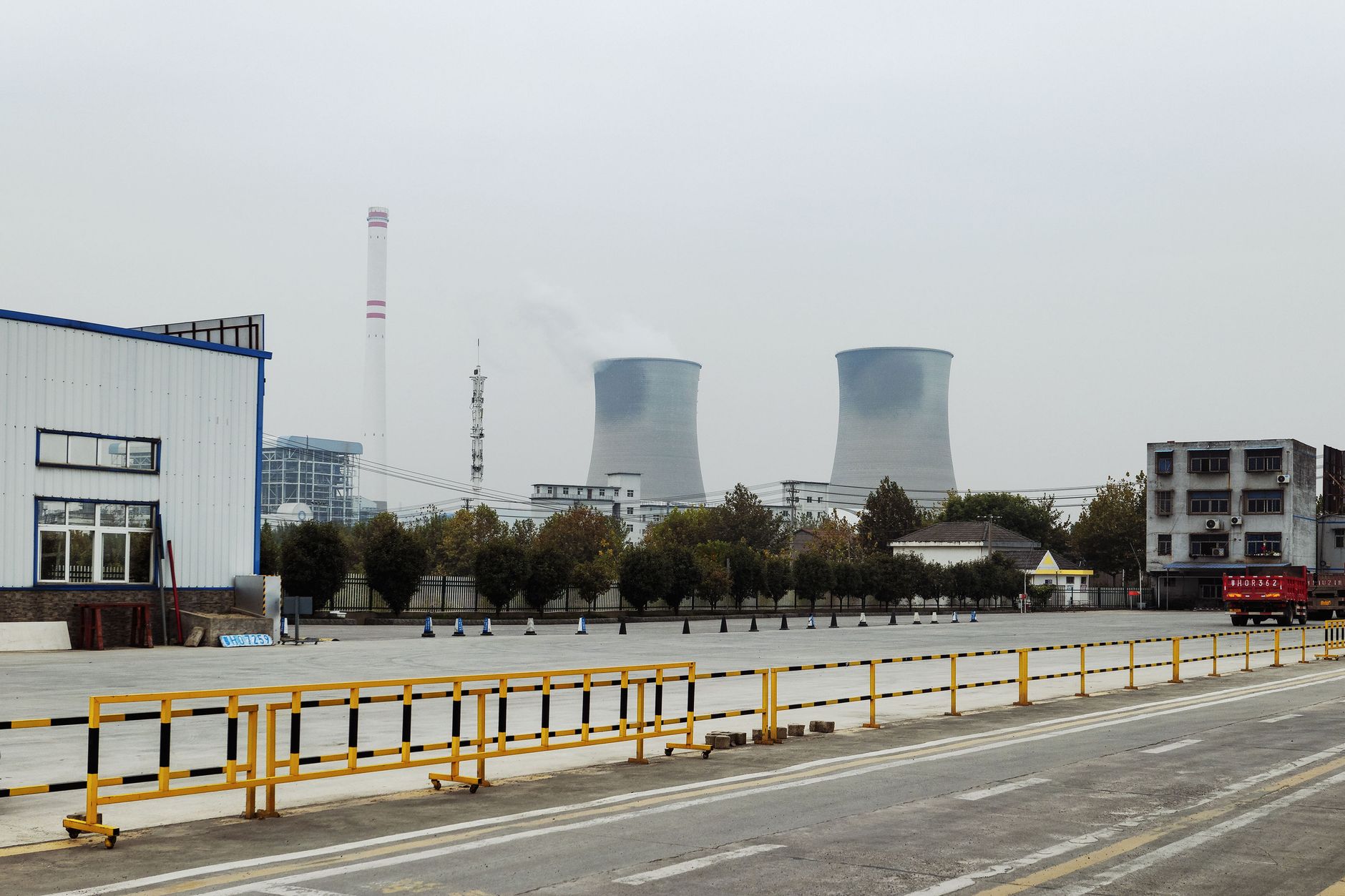
Pollution-control technology is at the forefront of Delhi’s efforts to combat air pollution. The city has invited tenders worth Rs 104 crore to test innovative solutions across 40 different sites.
Overview of Delhi’s Pollution Issues
Delhi, the capital city of India, faces significant challenges related to air quality and pollution levels. The issue has reached alarming proportions, with the city frequently topping lists of the most polluted urban areas globally. The impact of this pollution is felt not only by the environment but also by the health of its residents.
To address these concerns, the government has initiated various measures and is now inviting tenders worth Rs 104 crore to test pollution-control technology at 40 different sites across the city. This initiative aims to evaluate the effectiveness of advanced technologies in mitigating air pollution.
The primary sources of pollution in Delhi include:
- Vehicle emissions, which contribute significantly to the deteriorating air quality.
- Industrial activities that release harmful pollutants into the atmosphere.
- Construction dust, which adds to particulate matter in the air.
- Burning of waste and agricultural residue in neighboring areas.
These factors have made it imperative for Delhi to explore viable solutions, with pollution-control technology emerging as a potential answer to its air quality crisis.
Details of the Rs 104 Crore Tenders
The Delhi government has announced the initiation of tenders worth Rs 104 crore aimed at implementing pollution-control technology across 40 key locations in the city. This initiative is part of a broader strategy to combat the severe air quality crisis that has plagued the region for years.
These tenders will focus on several critical aspects:
- Monitoring Equipment: Installation of advanced sensors to track air quality in real-time.
- Data Analysis: Utilizing cutting-edge software systems to analyze pollution data effectively.
- Public Awareness: Initiatives to educate citizens about pollution sources and health impacts.
The selected vendors will be responsible for deploying innovative solutions that can mitigate the harmful effects of air pollution. With the alarming rise in respiratory diseases linked to poor air quality, the government hopes that these tenders will lead to significant improvements.
Moreover, the implementation of such pollution-control technology is expected to set a precedent for other cities grappling with similar environmental challenges. As the tenders roll out, stakeholders remain optimistic about their potential impact on Delhi’s air quality.
What is Pollution-Control Technology?
Pollution-control technology refers to various technological solutions designed to reduce or eliminate the emission of pollutants into the environment. These innovations are critical in addressing severe air quality issues, especially in densely populated urban areas like Delhi.
Typically, pollution-control technologies encompass a range of systems and methods, including:
- Filtration Systems: These capture particulate matter and other harmful pollutants from the air.
- Emission Monitoring Devices: Used to track pollution levels and ensure compliance with regulatory standards.
- Catalytic Converters: These convert harmful gases produced by vehicles into less harmful emissions.
- Smart Sensors: Deployed to provide real-time data on air quality, enabling quicker responses to pollution spikes.
As cities like Delhi grapple with chronic air pollution, the implementation of advanced pollution-control technology becomes increasingly vital. The recent initiative to invite tenders for testing such technologies at 40 locations is a proactive step towards exploring effective solutions to mitigate air quality issues.
Expected Outcomes from Testing
The anticipated outcomes from testing pollution-control technology in Delhi are multifaceted and hold promise for significant improvements in air quality. By deploying advanced systems across 40 designated sites, authorities aim to gather critical data that will help in evaluating the efficacy of these technologies.
Among the expected results, the following are considered key:
- Reduction in Pollutant Levels: Initial tests are expected to show a measurable decrease in harmful pollutants, such as PM2.5 and nitrogen dioxide, providing a benchmark for future initiatives.
- Enhanced Public Health: With improved air quality, a notable reduction in respiratory ailments and other health issues related to pollution is anticipated, benefiting the city’s population.
- Data-Driven Policy Making: The findings will equip policymakers with essential insights, allowing for more effective regulations and strategies aimed at combating air pollution.
- Increased Public Awareness: As testing progresses, greater transparency and public engagement regarding pollution-control technology will likely foster community involvement in environmental protection.
Ultimately, the success of this initiative could pave the way for more comprehensive approaches to tackle Delhi’s ongoing air quality challenges.
Public Response to Pollution Measures
The public response to the recent pollution-control technology measures has been a mix of optimism and skepticism. Many residents of Delhi express hope that these initiatives will significantly improve air quality, while others remain doubtful about their effectiveness.
Some community leaders have voiced strong support for the government’s decision to invest in pollution-control technology. They argue that the allocation of resources towards testing at 40 sites demonstrates a proactive approach to tackling the city’s air quality crisis. “This is a step in the right direction,” said one local activist. “But we need to see real results.”
Conversely, critics have raised concerns about the potential for mismanagement and the adequacy of the proposed technology. They emphasize that without proper implementation and monitoring, even the best pollution-control technology may fail to yield positive outcomes. “It’s not just about spending money; it’s about ensuring that the right solutions are in place,” noted a concerned resident.
As the testing phase begins, citizens are eager to see how effectively these measures will address Delhi’s persistent pollution challenges and whether they will lead to long-term improvements in air quality.
Future Steps for Delhi’s Air Quality
As Delhi grapples with persistent air quality challenges, future steps towards improving the city’s air are crucial. The recent invitation for tenders worth Rs 104 crore to test pollution-control technology at 40 strategic sites marks a significant move in addressing these ongoing issues. Experts suggest that a multi-faceted approach is essential for long-term success.
Key actions that are recommended include:
- Enhanced monitoring: Implementing real-time air quality monitoring systems to track pollution levels and identify sources more effectively.
- Community engagement: Involving local communities in awareness campaigns to educate citizens about air quality and encourage responsible behavior.
- Collaboration with technology providers: Partnering with innovative tech companies to ensure the latest in pollution-control technology is utilized.
- Policy adjustments: Advocating for stricter regulations and incentives for companies that adopt sustainable practices.
Ultimately, the success of these initiatives will depend on consistent efforts and cooperation between the government, businesses, and the public. With a proactive approach, Delhi can pave the way for a cleaner and healthier future.
Photo by 龔 月強 on Pexels